CCTV News Feature | Highlander's Intelligent Navigation System "NavMind" Successfully Completes Trial Voyage Aboard the First 5,000-Ton-Class Demonstration Vessel on the Pinglv Canal!
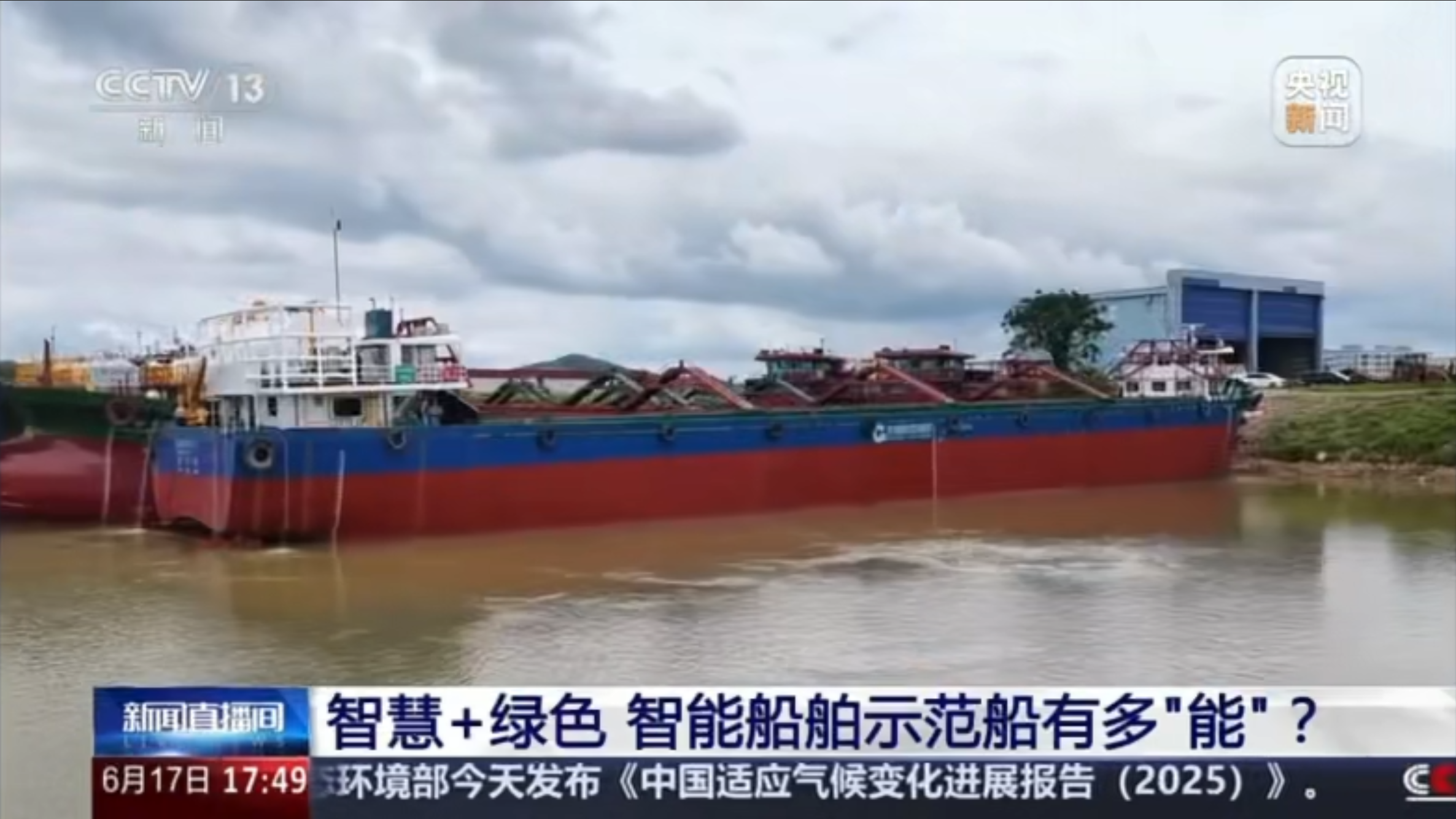
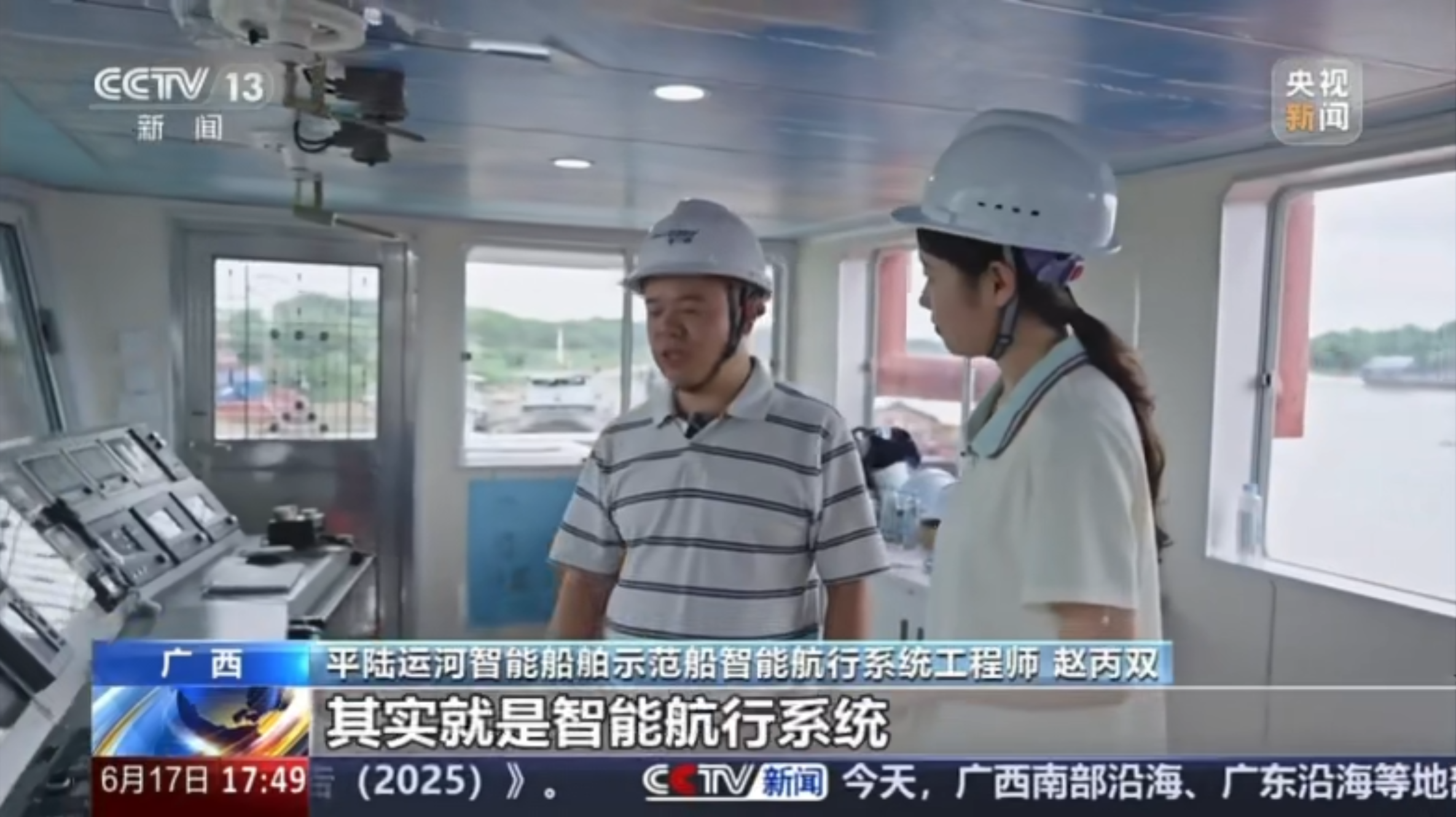
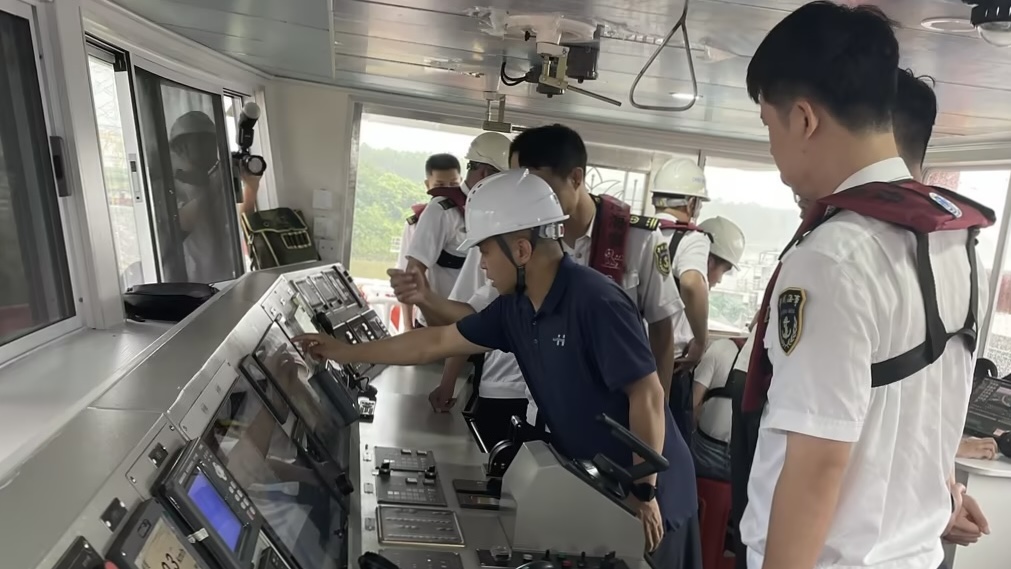
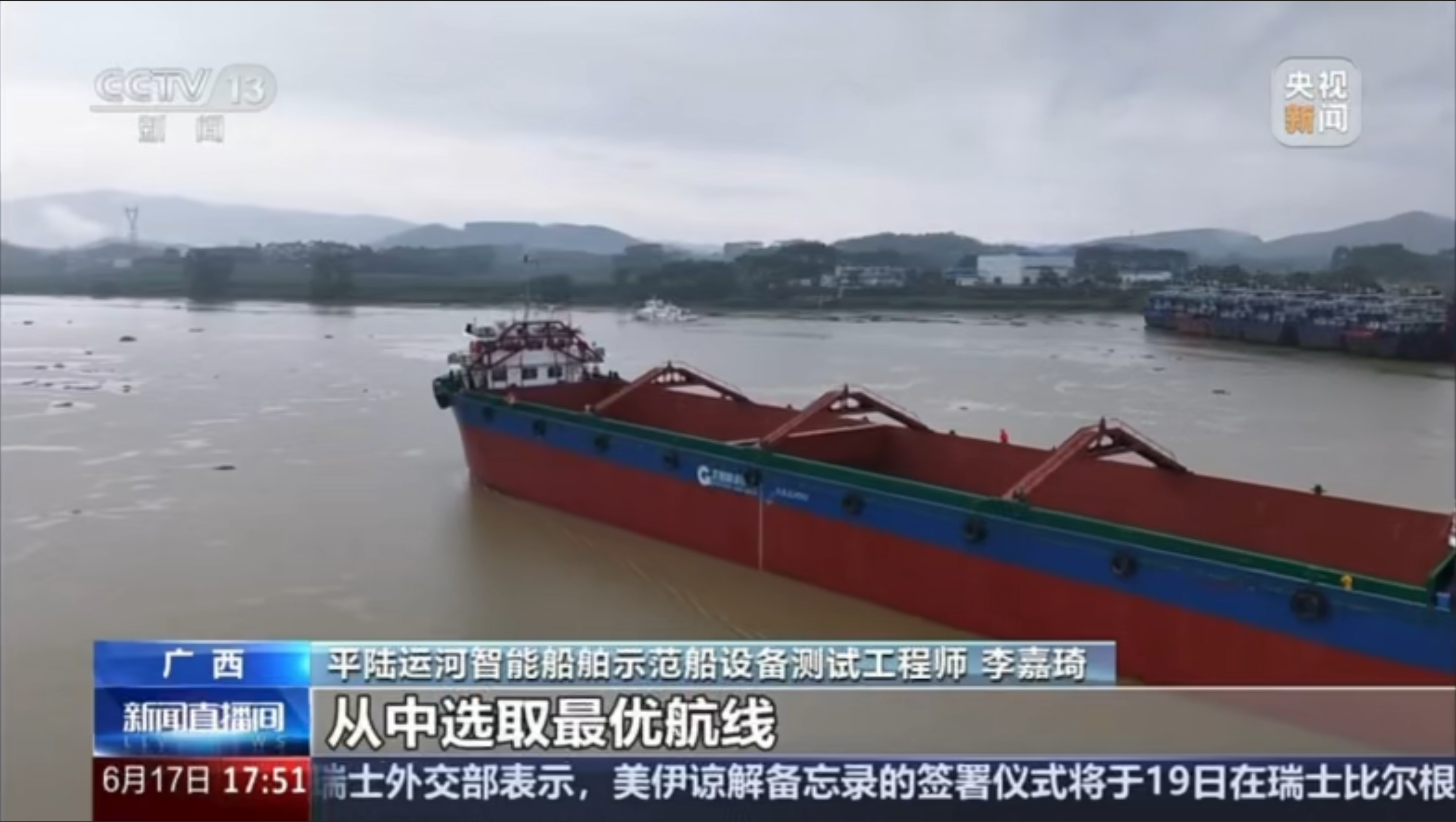
Recently, a major breakthrough was announced for a key project on the Pinglv Canal. The 5,000-ton-class intelligent demonstration vessel "Beigang Canal 002," built to meet the canal's navigation standards, successfully completed a full-scope trial voyage on the Yujiang River section in Guigang, Guangxi. The company's self-developed intelligent navigation system, solid-state radar, panoramic visual perception, and vessel-borne data integration equipment served as the core functional systems of the vessel throughout the trial. Following six hours of continuous onboard validation, all perception, intelligent navigation, and early warning functions met the required standards. The trial attracted on-site coverage from CCTV, marking a new milestone in the development of smart inland waterway shipping in Guangxi.
I. A Canal Benchmark Intelligent Vessel: Full Suite of Intelligent Perception Solutions Deployed Onboard
The trial vessel "Beigang Canal 002" is a container/bulk dual-purpose river vessel with an overall length of 89.92 meters. Purpose-built for the Pinglv Canal's narrow locks and complex waterways, it is capable of navigating the Grade A sea-river transitional zone at the mouth of Qinzhou Bay. It is also the first of the four planned intelligent demonstration vessels for the Pinglv Canal to complete its trial voyage. The vessel uses an intelligent integration platform as its data hub, incorporating the company's full suite of intelligent navigation and perception hardware to comprehensively cover the entire chain — from navigational situational awareness, intelligent navigation, and safety early warning to energy efficiency management and engine room equipment health monitoring. During this trial voyage, it completed a rigorous series of tests including target recognition, collision avoidance early warning, equipment monitoring, multi-source data fusion, fog/night vision, 360-degree panoramic view, and intelligent energy efficiency. All equipment operated stably and fully met the design specifications.
II. Two Core Self-Developed Products: Building the Vessel's "Clairvoyant Eyes + Smart Captain"
Equipped with the company's integrated intelligent navigation solution, the vessel is provided with three core services — ship-shore integrated communication, intelligent navigation system, and engine room comprehensive control — building a full-chain capability covering perception, communication, navigation, control, and operation, tailored to the autonomous navigation needs across all canal scenarios:
Supports track-following navigation, intelligent collision avoidance, and assisted berthing and unberthing, significantly reducing manual operational workload;
Continuously collects waterway and vessel dynamic data 24 hours a day, analyzes navigational conditions in real time, and provides near-real-time route service capabilities;
Fuses multi-source perception data with built-in intelligent early warning algorithms to proactively predict waterway obstacle risks, enhancing navigation capability under low-visibility conditions in extreme weather;
With the support of shore-based remote control stations, conditional unattended watchkeeping and remote navigation control can be implemented on the vessel.
The vessel is also equipped with a full-ship monitoring and alarm module, providing comprehensive coverage of power, emergency, and pollution prevention equipment with second-level emergency response.
2. Multi-Dimensional Perception Equipment for All-Area, Dead-Zone-Free Monitoring
The vessel is equipped with a complete suite of the company's perception devices, building a multi-layered perception and monitoring network comprising "long-range radar + close-range vision + hull-side millimeter-wave/laser," which CCTV reporters described as the vessel's "clairvoyant eyes and clairaudient ears":
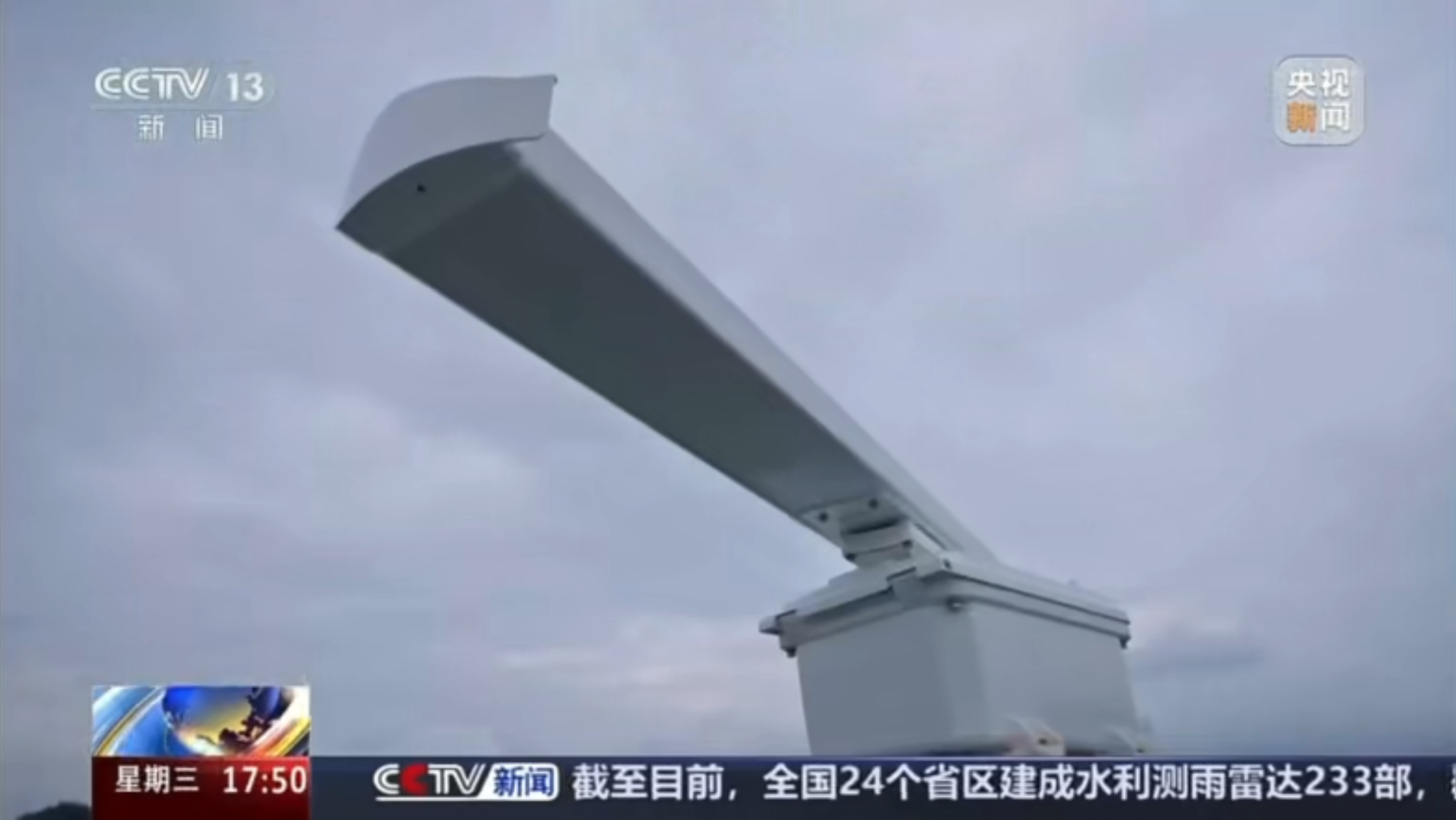
Solid-state shipborne radar (core self-developed product): Unlike traditional magnetron-based radars, it employs pulse compression technology, delivering longer detection range and stronger clutter suppression capability. It captures small vessels, buoys, and floating obstacles across a wide area within the waterway, and combines with self-developed algorithms to provide automatic risk early warning. With no high-voltage consumable components, it features low power consumption and long service life, making it well-suited for long-term continuous navigation of inland waterway vessels. In open waters, this radar can automatically plot all targets within a 20-kilometer radius around the vessel. During the trial voyage, it consistently and clearly detected point- and line-shaped "water hyacinths" drifting on the Xijiang River, fully demonstrating its high-resolution capability.
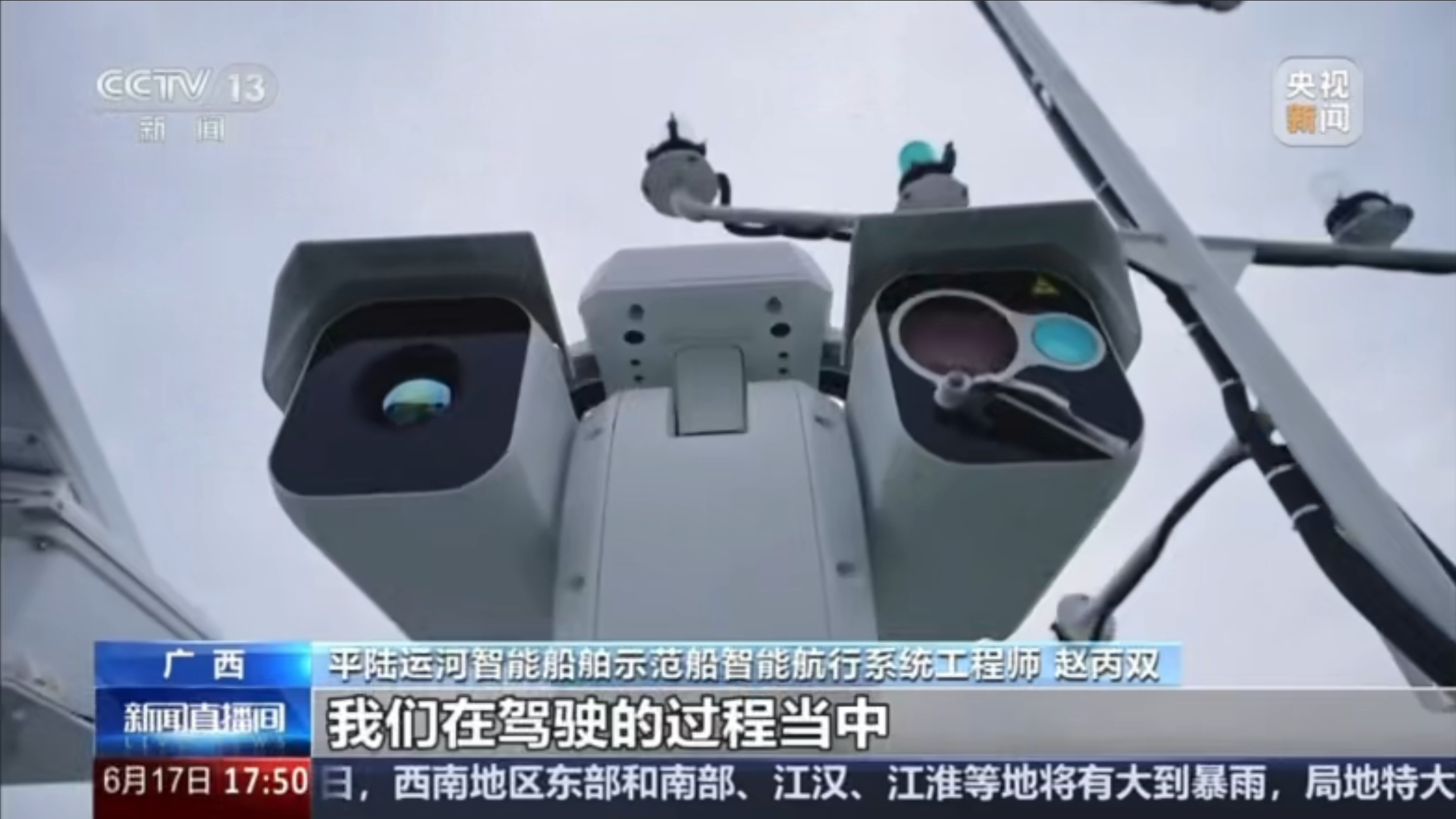
Panoramic PTZ cameras provide all-around coverage of the waters surrounding the vessel, with visibility up to 5 kilometers for distant targets. Integrated with infrared imaging, starlight night vision, and other fog-penetration enhancement functions, they deliver enhanced imaging under low-visibility conditions such as overcast rain and heavy fog, addressing the challenges of nighttime and foggy observation on inland waterways.
Millimeter-wave radar and LiDAR deployed at the bow, stern, and both sides of the vessel provide high-precision target measurement within a range of several hundred meters, offering accurate measurement for vessel berthing and unberthing, lock entry and exit, and inland waterway side-passing navigation.
The entire suite of perception equipment operates in coordinated synergy, automatically adapting to various weather changes. With all-domain perception and synchronized target identification around the vessel, it thoroughly resolves the navigation safety challenges posed by the Pinglv Canal's complex waterway environment — including numerous bends, frequent fog, heavy rainfall, and complex features such as bridges and locks.
III. Dual Upgrade of Intelligence and Green Technology, Boosting the Canal's Low-Carbon Shipping Development
In addition to the intelligent navigation system, the demonstration vessel is equipped with an intelligent energy efficiency management system that shares data with the company's navigation system. Leveraging regional navigation big data, the system can automatically match multiple optional berth-to-berth routes. Combined with water depth and current data provided by aids to navigation and locks, it intelligently calculates fuel consumption and recommends the optimal sailing route to reduce operating costs. Intelligent navigation and intelligent energy efficiency empower green, low-carbon shipping, further reducing energy consumption and carbon emissions, aligning with the Pinglv Canal's ecological shipping development plan.
IV. Project Continues to Advance; Batch Intelligent Vessels to Enter Service Within the Year
According to the plan, a total of four intelligent demonstration vessels will be deployed for the Pinglv Canal. Beigang Canal 001 and 002 are inland river vessels, scheduled for delivery and commissioning on the canal route by August 2026. Moving forward, shore-based high-precision perception and communication networks will be deployed in batches along all locks and key waterway segments along the canal. The company's intelligent navigation, solid-state radar, and visual perception solutions will continue to be equipped across multiple batches of vessels, with phased real-ship testing of intelligent navigation and conditional autonomous sailing, providing mature domestically-produced equipment support for the full-scale smart navigation of the Pinglv Canal and serving China's intelligent shipping and transportation powerhouse strategy.
As the core project of the New International Land-Sea Trade Corridor in western China, the Pinglv Canal's intelligent vessel demonstration project is a key benchmark for the digital transformation of inland waterway shipping. The successful completion of this real-ship trial voyage fully validates the reliability and practicality of the company's intelligent navigation and all-domain perception equipment in complex inland waterways. Looking ahead, we will continue to deepen our R&D in inland intelligent maritime equipment, with domestically-produced solid-state radar and integrated navigation systems at the core, to provide high-safety, low-cost, full-lifecycle intelligent solutions for inland and coastal vessels nationwide, driving the intelligent and green upgrade of China's shipping industry.
(Video and screenshots sourced from: CCTV News client)