Broadcast on CCTV News | Precise Full-Process Control: Vast Free Data Installs a "Smart Brain" for Deep-Sea Aquaculture
The summer fishing moratorium is currently underway, and some of the seafood on our tables comes from deep-sea cage aquaculture. In the past, deep-sea farming was highly dependent on weather conditions and relied entirely on empirical judgment — "at the mercy of nature" was the industry norm. Today, the entire process of deep-sea cage aquaculture in Hainan — from fingerling release and daily management to full-cycle production — can be precisely controlled through marine big data. So where does this confidence in aquaculture come from?
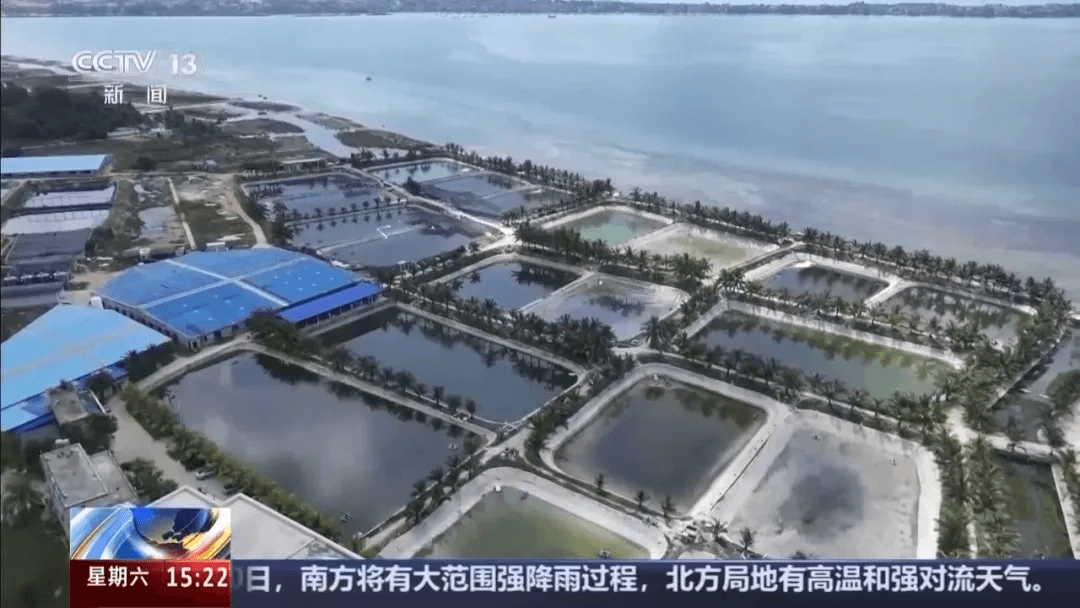
This is the golden season for releasing golden pompano fingerlings. At a deep-sea aquaculture cage base in the offshore waters of Lingshui Bay, Lingshui County, Hainan Province, a new batch of golden pompano fingerlings has been released into the sea. Fingerlings typically experience stress responses when entering a new environment. In the past, deciding when to release them was a matter of experience; today, it depends on data.
Previously, to obtain hydrological data needed to improve fingerling survival rates, fish-breeding companies had to collect water samples and send them for testing — and the fastest results took three hours. But sometimes, the survival of fingerlings could be determined within just a few minutes. Companies had also considered installing their own real-time monitoring equipment, but the high costs caused them to back down.
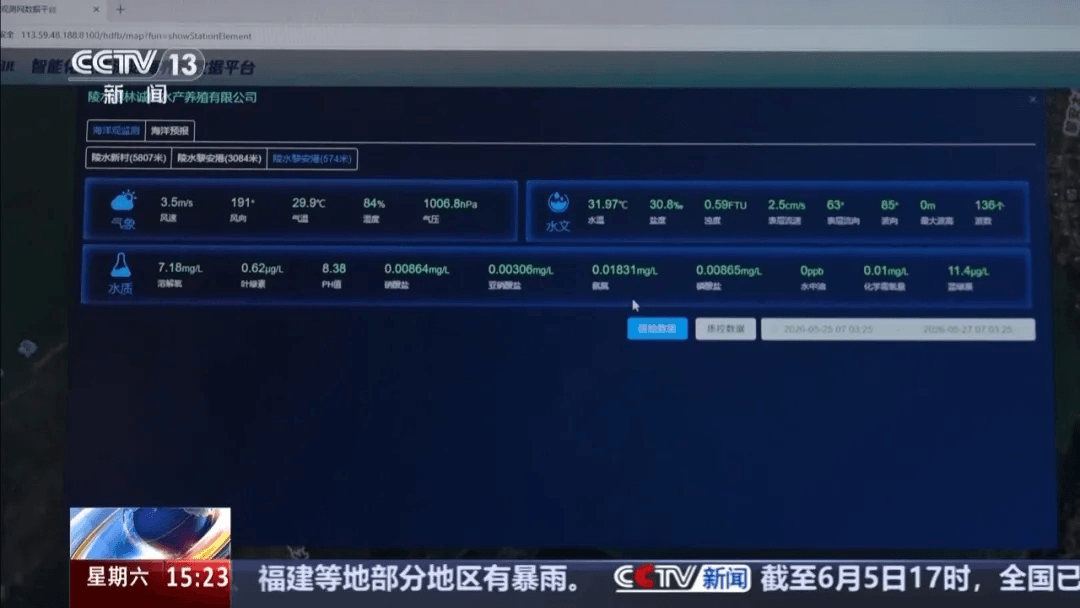
In November last year, the Hainan Provincial Department of Ocean Affairs piloted a free opening of the Intelligent Deep-Sea Aquaculture Data Platform to aquaculture companies. The platform provides real-time access to more than twenty monitoring indicators across three major categories — hydrological, water quality, and meteorological — all directly relevant to fishery operations.
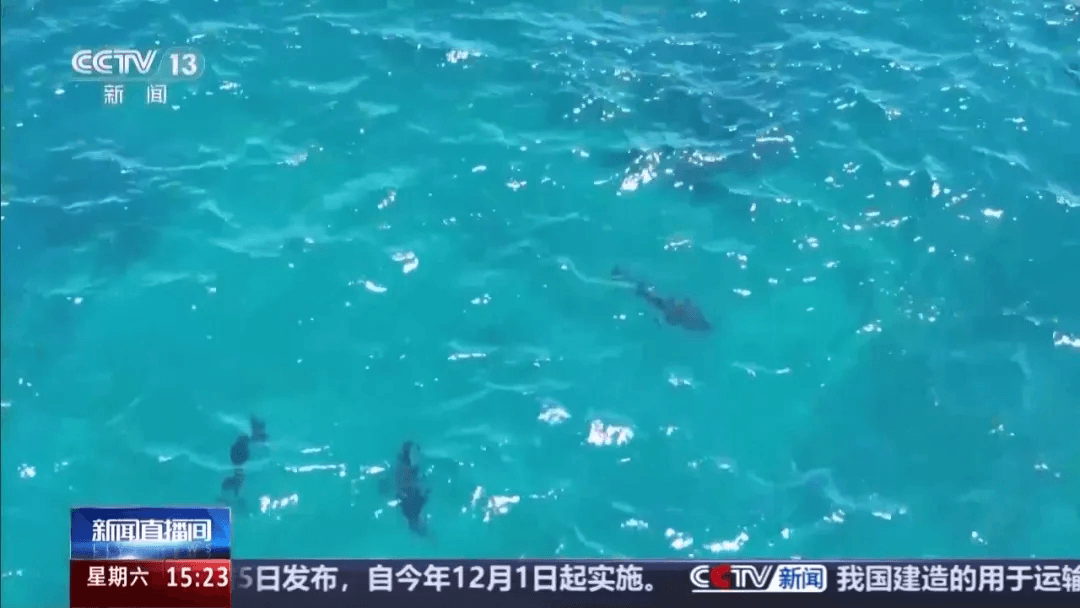
Today in Lingshui, Hainan, "checking the data" has been integrated into every aspect of aquaculture operations. Data is consulted when releasing fingerlings, when changing nets, and during routine feeding. Fish farming has become more scientific, and aquaculture losses and costs have been significantly reduced.
Optimizing Marine Monitoring Data to Serve Deep-Sea Fish Farming with Greater Care
As we just saw, the opening of marine big data has installed a "smart brain" for deep-sea aquaculture, benefiting businesses while reducing costs and improving efficiency. However, among the big data now made accessible, a portion consists of marine data originally collected for disaster prevention purposes. Adapting this data for the precision needs of fishery production is far from a simple matter of pressing a button — the data must undergo tailored transformation before it can be put to practical use.
Industry insiders told reporters that marine ecological disaster early-warning systems previously focused on determining "whether a disaster would occur." Now they also need to forecast "whether fishery production will be affected." Although all of it is marine data, the processing logic, push frequency, and early-warning mechanisms all have to be redesigned from scratch.
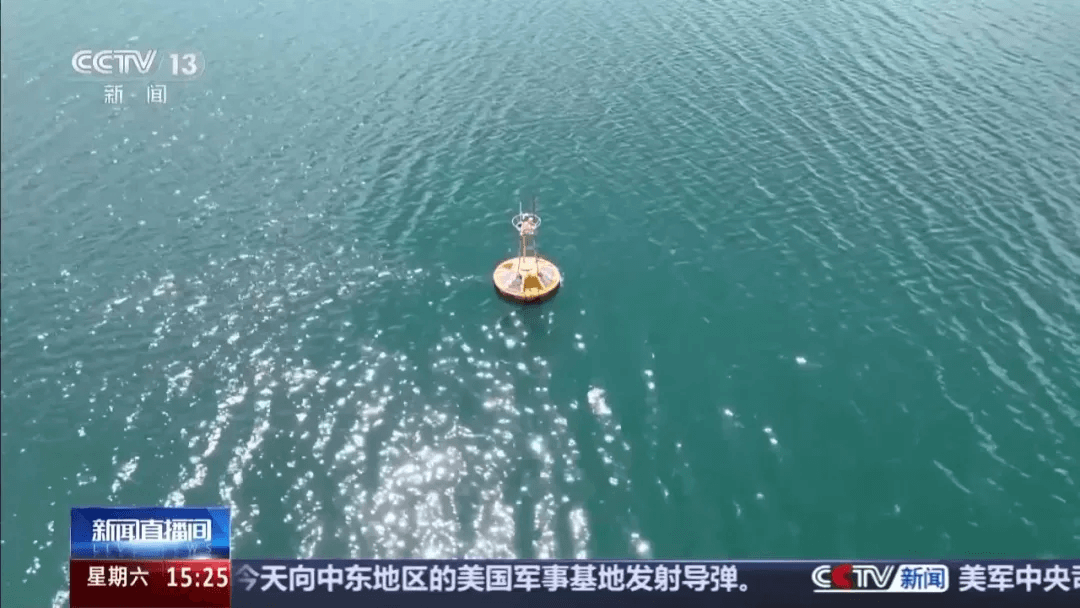
Breaking down data barriers is just the first step. In practice, companies found that offshore monitoring buoys were located far from aquaculture zones, causing data accuracy deviations. They applied to have buoys relocated to improve precision. However, these buoys are deployed uniformly by the Ministry of Natural Resources — so was it feasible to move them for the sake of deep-sea aquaculture? What the companies did not expect was that within less than a month of submitting their application, they quickly received a response.
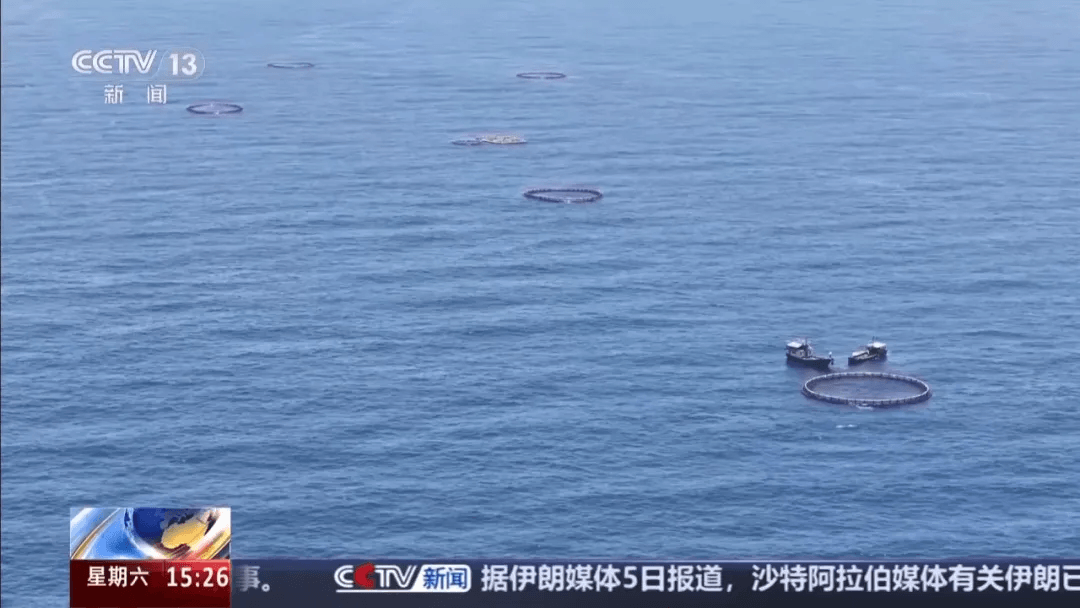
It is understood that the Intelligent Deep-Sea Aquaculture Data Platform has been in pilot operation for less than a year, and four aquaculture companies in Lingshui have already connected to it. The platform has set up 130 offshore station sites and 243 onshore base stations across Hainan Island, providing coverage that can essentially meet the needs of marine ranches across the island. An increasing number of companies from other cities and counties are actively applying to join, eager to share in the technological dividends brought by smart marine big data.
Aquaculture Companies and Technical Teams Meet Face to Face — Platform to Be Further Upgraded
The exploration of using data to serve aquaculture continues. As artificial intelligence technology matures, what further applications will these advanced technologies find in deep-sea aquaculture? During the interview, reporters encountered the technical team of the Hainan Provincial Department of Ocean Affairs data platform, who had come again to aquaculture companies to learn about actual usage of marine big data.
Wang Tonghang, Director of the Equipment and Information Division, Hainan Marine Monitoring and Forecasting Center: "We have an early-warning and forecast production and release system that compiles various types of early-warning information products. It can tell you when waves are coming, when water may overtop the embankment — you can use the early warnings as a reference for judgment and reinforce the protective embankments inside."
For an entire morning, the supervisory authority, the technical team, and the aquaculture companies held a face-to-face forum packed with substantive content.
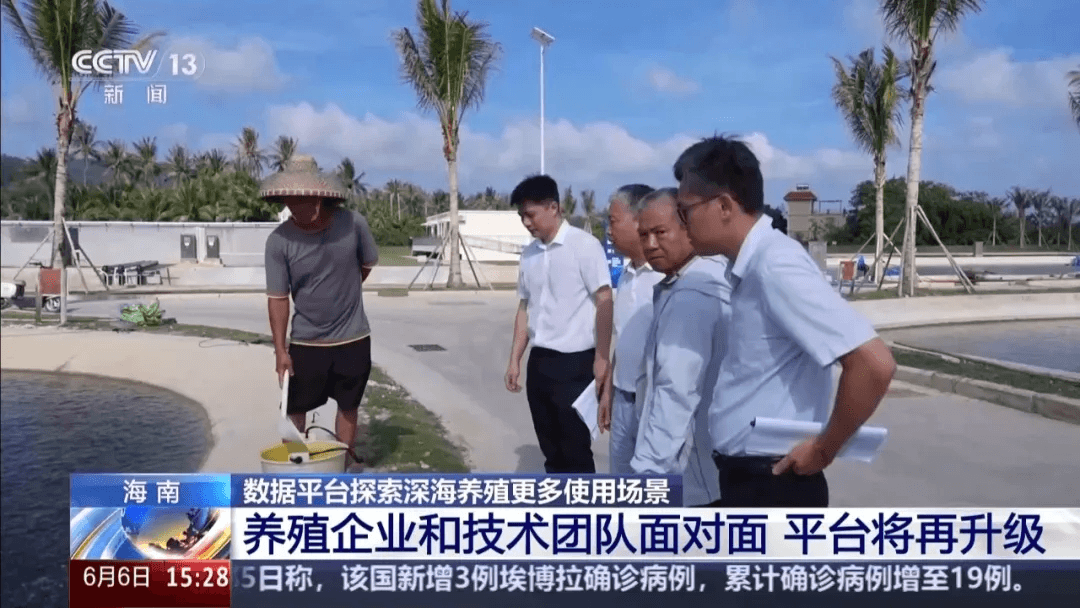
CCTV Correspondent Ye Fan: "This is the research report from the Hainan Provincial Department of Ocean Affairs' previous visit to Lingshui. You can see that companies raised needs such as more stable access channels and higher data accuracy — all of which have now been addressed. We can see that on this visit, the Department of Ocean Affairs has specifically refocused its research priorities, concentrating more on customized data services, user experience, and existing issues with early-warning services."
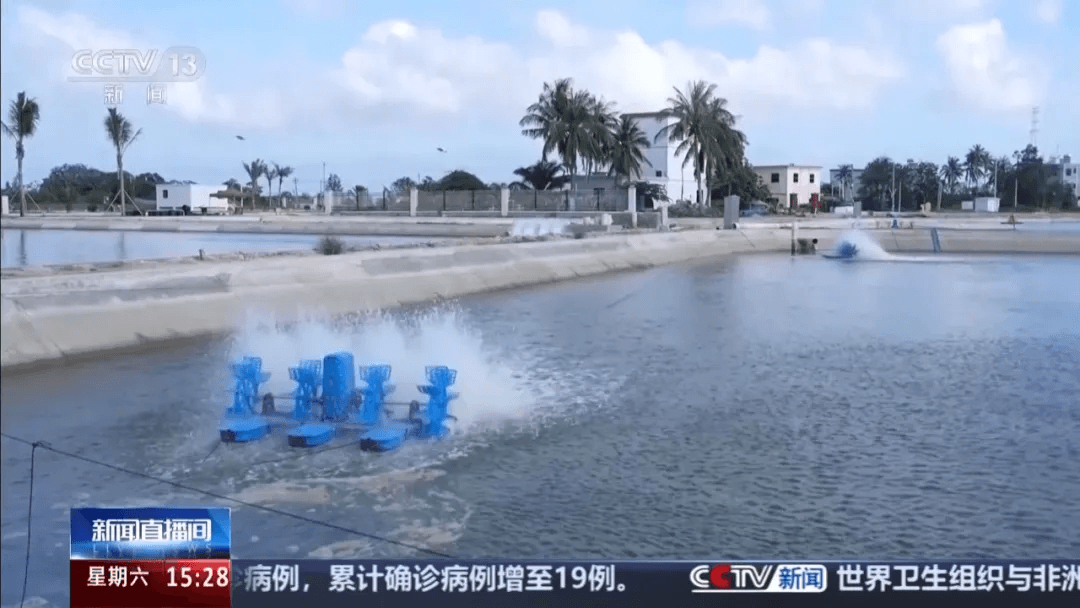
Currently, based on company needs, the technical team is actively exploring more data application scenarios, building a co-development model of "technology R&D + production scenarios" to truly turn data into a productive force for deep-sea aquaculture.
Developing New Technologies: Building an Intelligent Aquaculture Assistance Platform
Based on company feedback, the Intelligent Deep-Sea Aquaculture Data Platform — which has been in trial operation for less than a year — is to be further upgraded. During the investigation, reporters also learned that the Hainan Provincial Department of Ocean Affairs is arranging for its technical team to carry out R&D work to integrate aquaculture experience, monitoring data, and intelligent devices into a new aquaculture assistance intelligent platform.
How can fish illness be diagnosed? "Photo-based fish disease identification" is one of the technologies currently under development. A camera simply captures images of the fish, transmits the footage to an AI system, and the system assesses the fish's health condition based on a big data model.
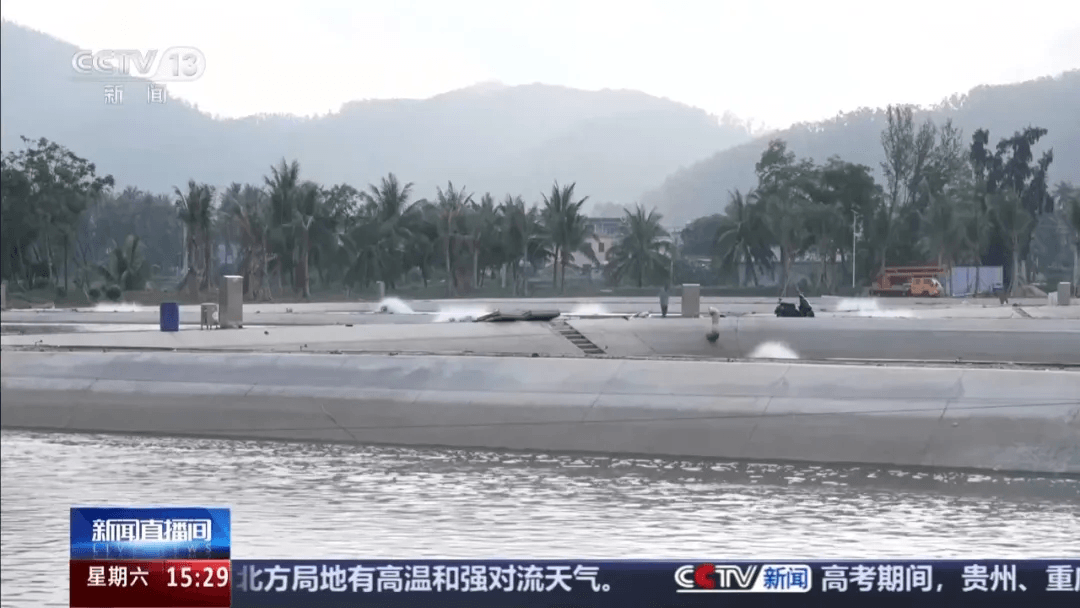
In addition, when and how to feed the fish may in the future also be determined by the system.
The 15th Five-Year Plan Outline calls for advancing high-quality development of the marine economy and strengthening marine science and technology innovation. Hainan is working through multiple measures — including the clustering of modern marine industries — to achieve the goal of "thriving through the sea, and growing strong upon it."
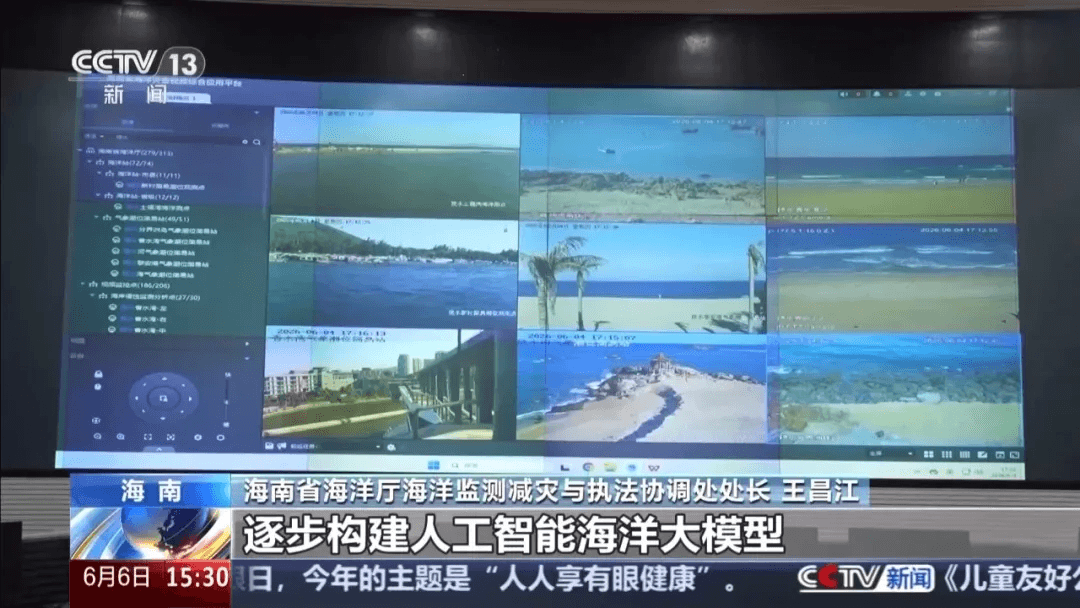
Wang Changjiang, Director of the Marine Monitoring, Disaster Reduction and Law Enforcement Coordination Division, Hainan Provincial Department of Ocean Affairs: "In the future, we will further integrate marine data resources to build a high-quality marine dataset. On this foundation, we will promote data sharing, encourage the opening of marine knowledge bases, and progressively build an AI-powered marine large model. Through these intelligent technological means, we aim to better serve marine ranch operations, deep-sea aquaculture, and various other offshore production scenarios — driving the transformation and upgrading of traditional fisheries and making the marine economy a genuine new engine of high-quality development."
(Article reprinted from: CCTV News App)