CCTV Report — China Forges a New "Wind-Electricity-Computing" Integrated Green Computing Paradigm
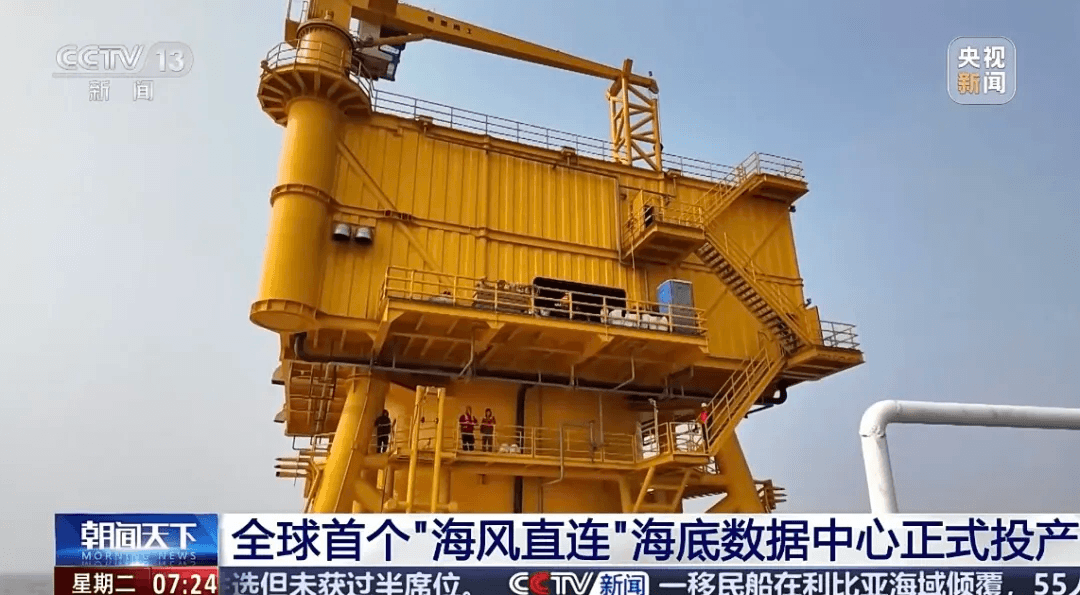
A CCTV reporting team made an on-site visit to the world's first submarine data center demonstration project to achieve direct connection with offshore wind power, reporting on the project's commissioning status.
The project is led by Shanghai Highlander Cloud Technology Co., Ltd., and jointly developed by China Telecom Shanghai Company, Shenergy Group, Shanghai Yidian Group, CCCC Third Harbor Engineering Co., Ltd., and other organizations. China's submarine data center has been upgraded from version 1.0 to 2.0, adding the green energy of the ocean on top of its existing use of the ocean's green cold source. This has further enhanced the project's industrial scale, technical performance, and commercial value. As the world's first submarine data center to achieve "direct offshore wind power connection + natural seawater cooling," the project marks an important breakthrough in China's integrated development across the fields of artificial intelligence infrastructure, marine energy utilization, and marine engineering.
Breaking the Power Dilemma of the AI Era and Exploring New Pathways for Green Computing
With the rapid development of large AI models, 5G, and other technologies, global data center power consumption has surged dramatically. According to projections by the International Energy Agency, by 2030, AI-related computing will account for more than half of the world's incremental data center electricity consumption. Traditional data centers are not only highly energy-intensive and land-consuming, but also reliant on fossil fuels, making it difficult for them to meet the requirements of China's "dual carbon" goals.
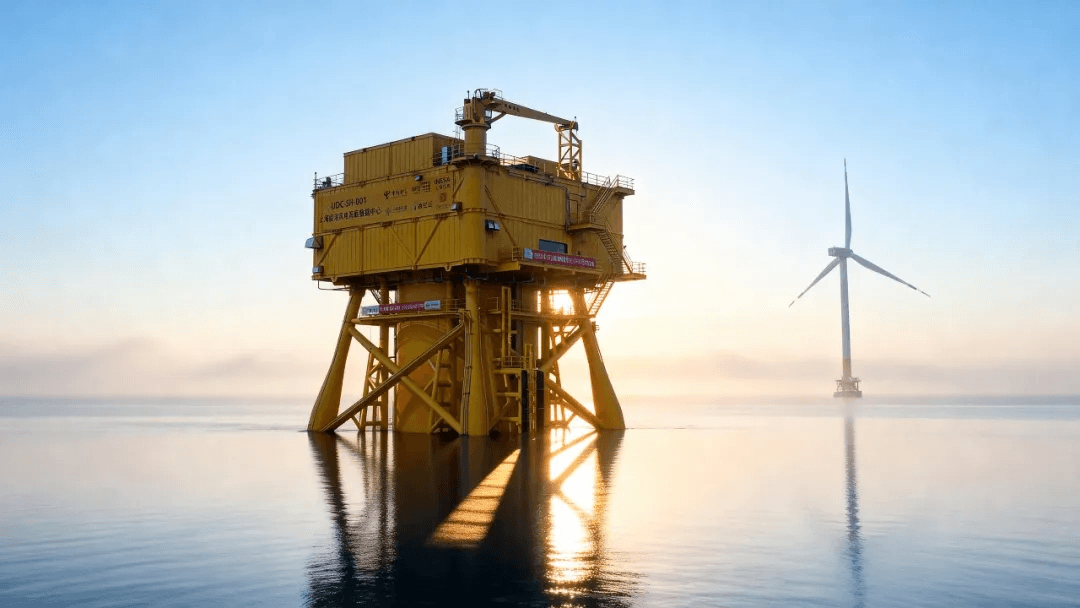
Against this backdrop, the Shanghai Lingang Submarine Data Center emerged to address these challenges. Located in the eastern waters off Nanhui Mouth in Pudong New Area, approximately 10 kilometers from the coastline, the project has a total investment of 1.6 billion yuan and a total planned capacity of 24 megawatts. The Phase I demonstration project reaches 2.3 megawatts, with a designed PUE (Power Usage Effectiveness) of no more than 1.15 and a green electricity supply rate exceeding 95%.
Three Major Innovations: A Comprehensive Revolution in Cooling, Energy Supply, and Space
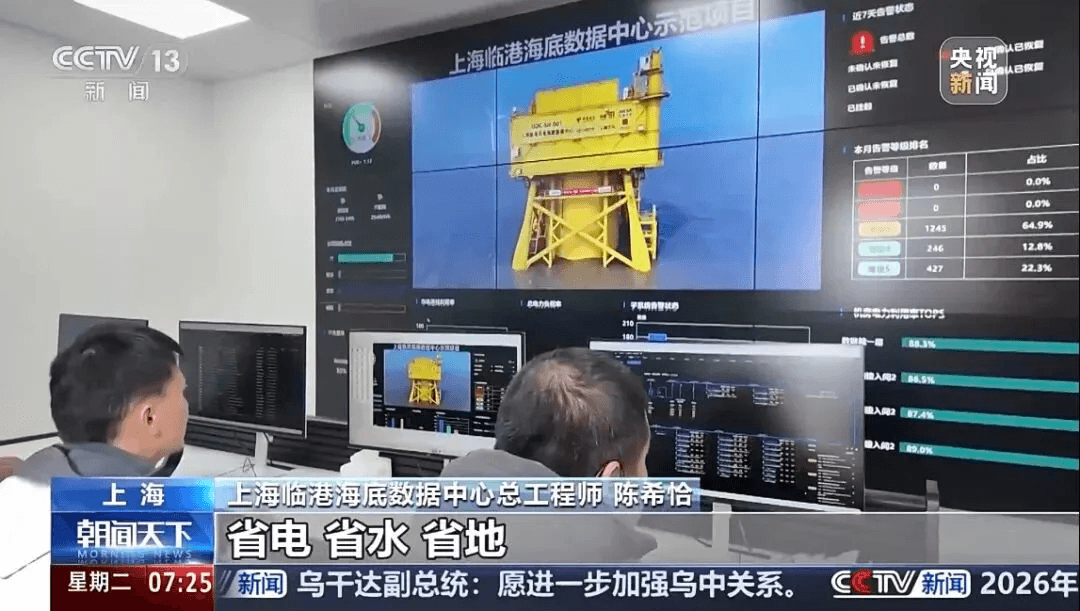
Ultimate Cooling Revolution: Seawater is utilized as a natural cold source. Through "heat pipe power + efficient natural seawater cooling" technology, the surrounding low-temperature seawater is directly employed for heat exchange, keeping PUE at no more than 1.15, reducing mechanical refrigeration losses, and completely eliminating dependence on freshwater cooling.
Green Energy Closed Loop: The data center is directly connected to the Lingang offshore wind farm, with "direct wind power connection" realized through photoelectric composite cables, establishing a zero-distance collaborative model of "power generation—transmission—computing." This significantly reduces transmission losses, with a direct green electricity supply rate exceeding 95%, achieving genuinely green and low-carbon operations.
Space Resource Liberation: By deploying the data center on the seabed, more than 90% of land space is saved, freeing up precious coastal land resources and providing a sustainable computing solution for high-density cities.
Policy Empowerment: Building an International Digital Hub
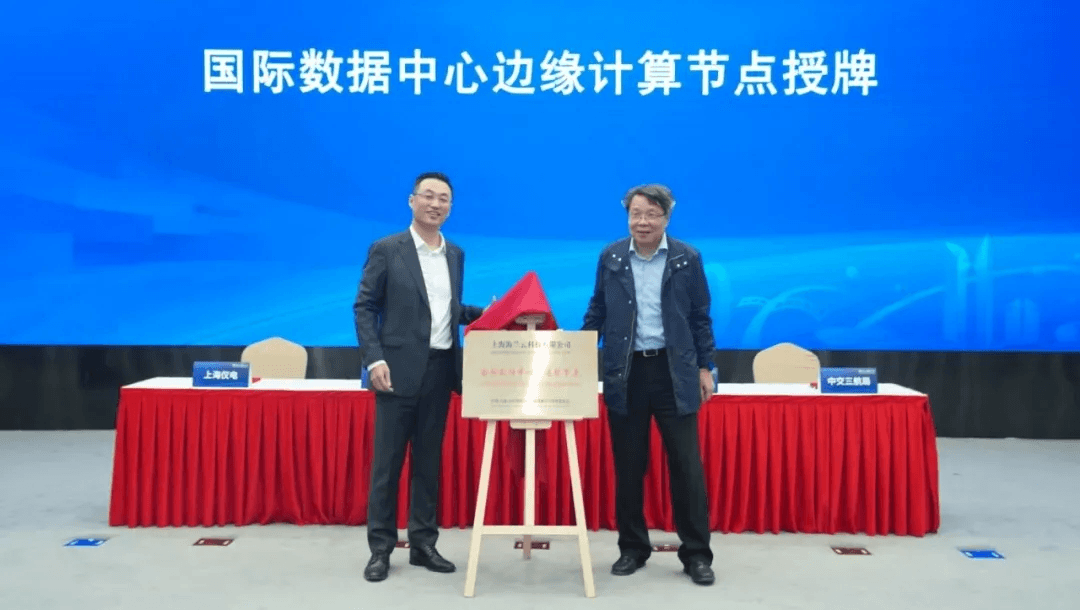
At the inauguration ceremony on October 21, 2025, Wu Xiaohua, Deputy Secretary of the Lingang Special Area Party Working Committee, presented the project with a plaque designating it an "International Data Center Edge Computing Node." He stated that the authorities would continue to provide policy support, promote the clustering of upstream and downstream enterprises, and help Shanghai build a technology innovation center and international digital hub with global influence.
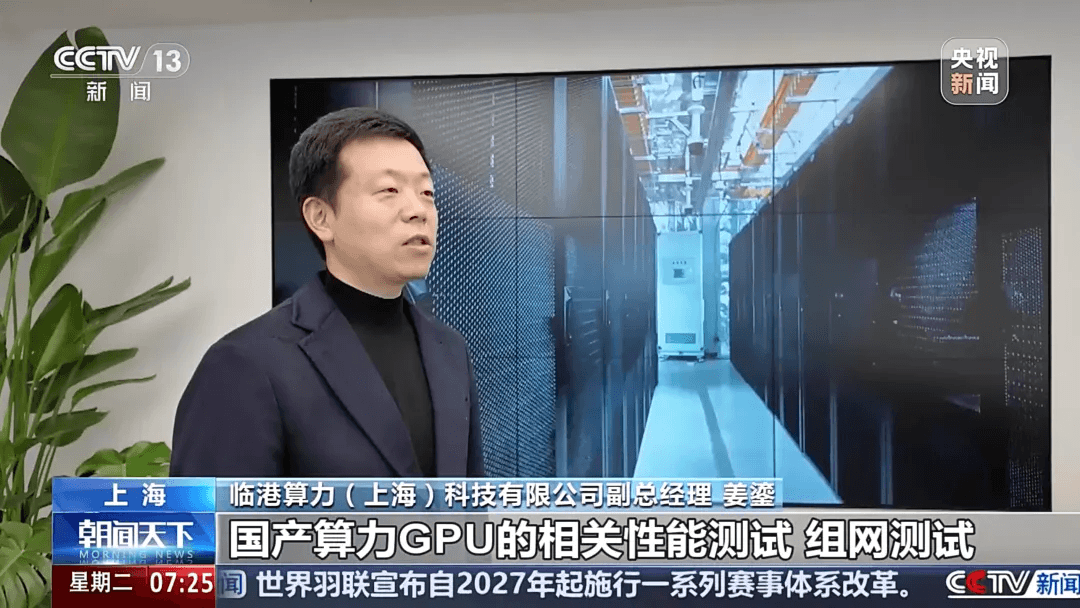
A Three-in-One Business Layout: Building a New Submarine Computing Ecosystem That Is Secure, Intelligent, and Open
The project not only achieves breakthroughs in energy and cooling technology, but also establishes a "three-in-one" business system covering artificial intelligence, the information technology application innovation (ITAI) ecosystem, and international data services, providing comprehensive support for national digital security strategy and regional open innovation needs.
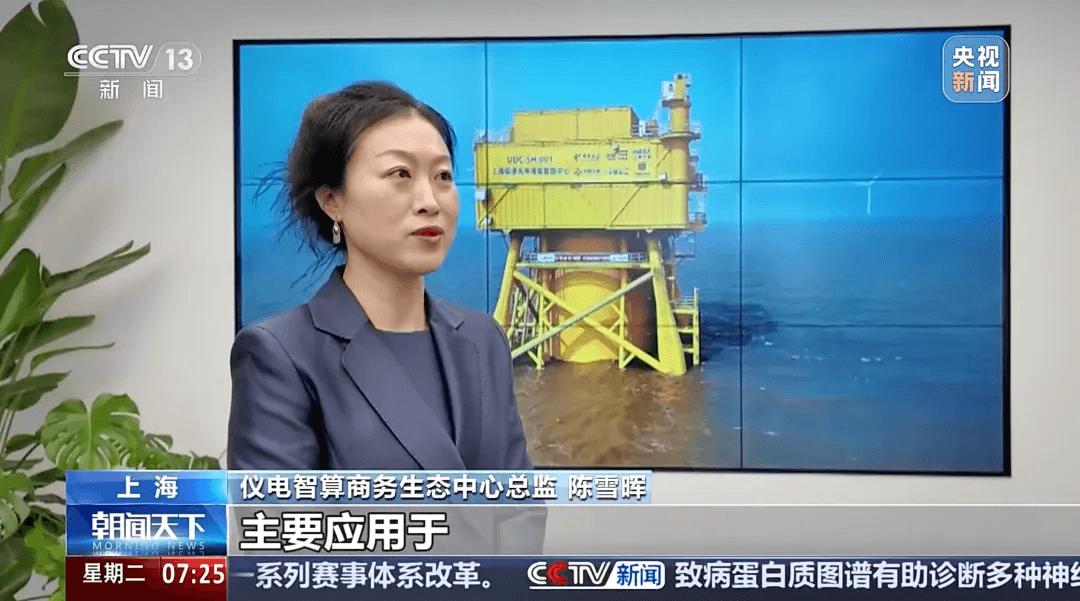
AI Computing Pioneer: China Telecom Shanghai Company has deployed its independently developed AI computing platform and, in collaboration with China Telecom Lingang Computing Power Company's computing power adaptation and scheduling system, delivers high-performance, low-latency, green, and low-carbon intelligent computing services for high-density computing scenarios such as large model training, scientific computing, and real-time inference.
Co-Building a Domestic Computing Power Foundation Ecosystem: Led by Shanghai Yidian Group, a full-stack domestically produced computing cluster has been established, encompassing domestic CPU/GPU chips, servers, operating systems, and middleware. It primarily serves critical sectors including finance, government affairs, and manufacturing, advancing the collaborative adaptation of local hardware and software and closing the ecosystem loop, thereby consolidating the infrastructure for information technology application innovation (domestically produced components).
International Data Node: As a key edge node of the Lingang International Data Center, this submarine facility is dedicated to serving multinational enterprises, cross-border e-commerce businesses, offshore R&D centers, and other entities within the Lingang Special Area. It provides compliant and innovative services including cross-border data flow, offshore data processing, and privacy computing, helping Shanghai build a globally competitive "International Data Port."
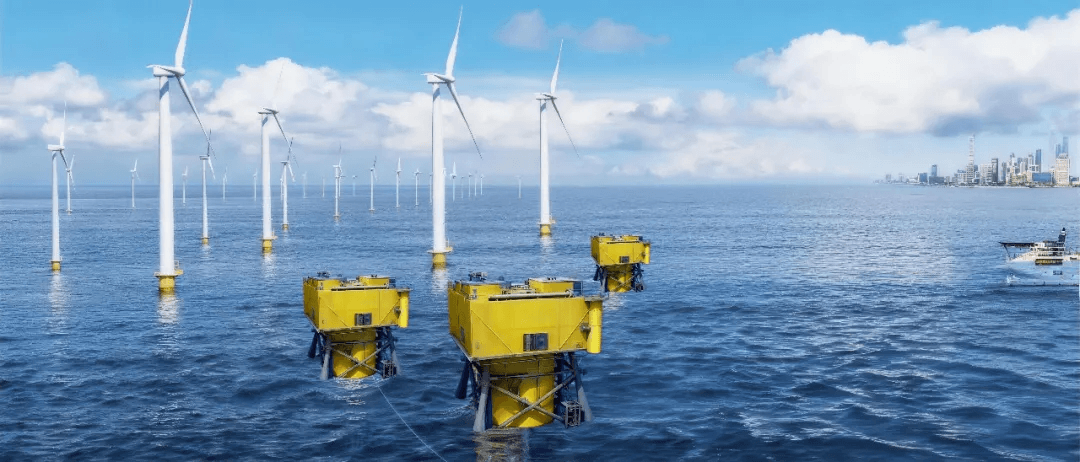
Leading by Example: Charting the Course for Large-Scale Green Computing Deployment in Deep and Distant Seas
As the world's first submarine data center directly connected to wind power, the technical pathway, operational model, and business architecture of the Lingang demonstration project have validated the feasibility of integrated development combining "offshore wind power + submarine computing." This demonstration project will serve as a technology verification platform and standards incubation base, accumulating critical data and engineering experience for subsequent large-scale deployments.
Building on the results of this project, all relevant parties are actively studying and advancing plans for hundred-megawatt-scale offshore wind direct connection, computing-power coordination, and multi-module interconnected submarine data center cluster construction, exploring the development of a "wind-power-computing" integrated green computing infrastructure network in deep and distant sea areas. In the future, this model is expected to expand from Lingang to coastal regions across China, pioneering a new "blue sea, green computing" model tailored to local conditions, and providing a new pathway for China to achieve green, secure, and efficient development of its computing power.