
Subsidiaries
Global
Home News Center Group News
2026-09-16
The "Smart Brain" of the Pinglu Canal Demonstration Vessels: Highlander's Full-Lifecycle Participation in the Design and Delivery of the Intelligent Navigation System

The Pinglu Canal is the first river-and-sea canal project planned and coordinated at the national level since the founding of the People's Republic of China, and also the country's first full-lifecycle smart canal. With a total length of 134.2 km, it can accommodate 5,000-tonne vessels.

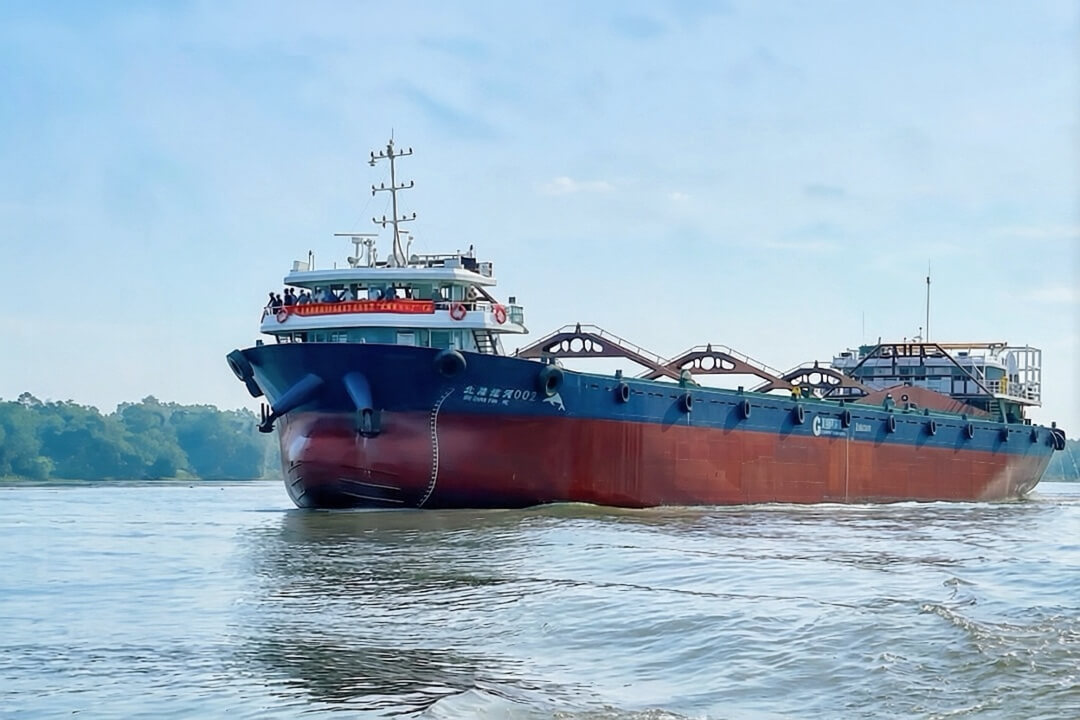
The two demonstration vessels "Beigang Yunhe 001" and "Beigang Yunhe 002" are both river vessels for combined container and bulk cargo, with an overall length of 89.92 m. They can navigate the Grade A navigation area at the river-sea interface of Qinzhou Bay, achieving direct river-to-sea transit without transshipment. Beijing Highlander Digital Technology Co., Ltd. was deeply involved in the design and delivery of the intelligent navigation solution for the two demonstration vessels, participating across the full lifecycle from technical design, installation and commissioning, and trial voyage verification to technical support.


01 Technical Design: A Complete Solution for Green and Intelligent Shipping Needs

The Pinglu Canal carries the development needs of green and intelligent shipping. The inland waters of Guangxi are mountainous, foggy and rainy, with large variations in river flow velocity, which places higher demands on navigation safety and energy efficiency management.

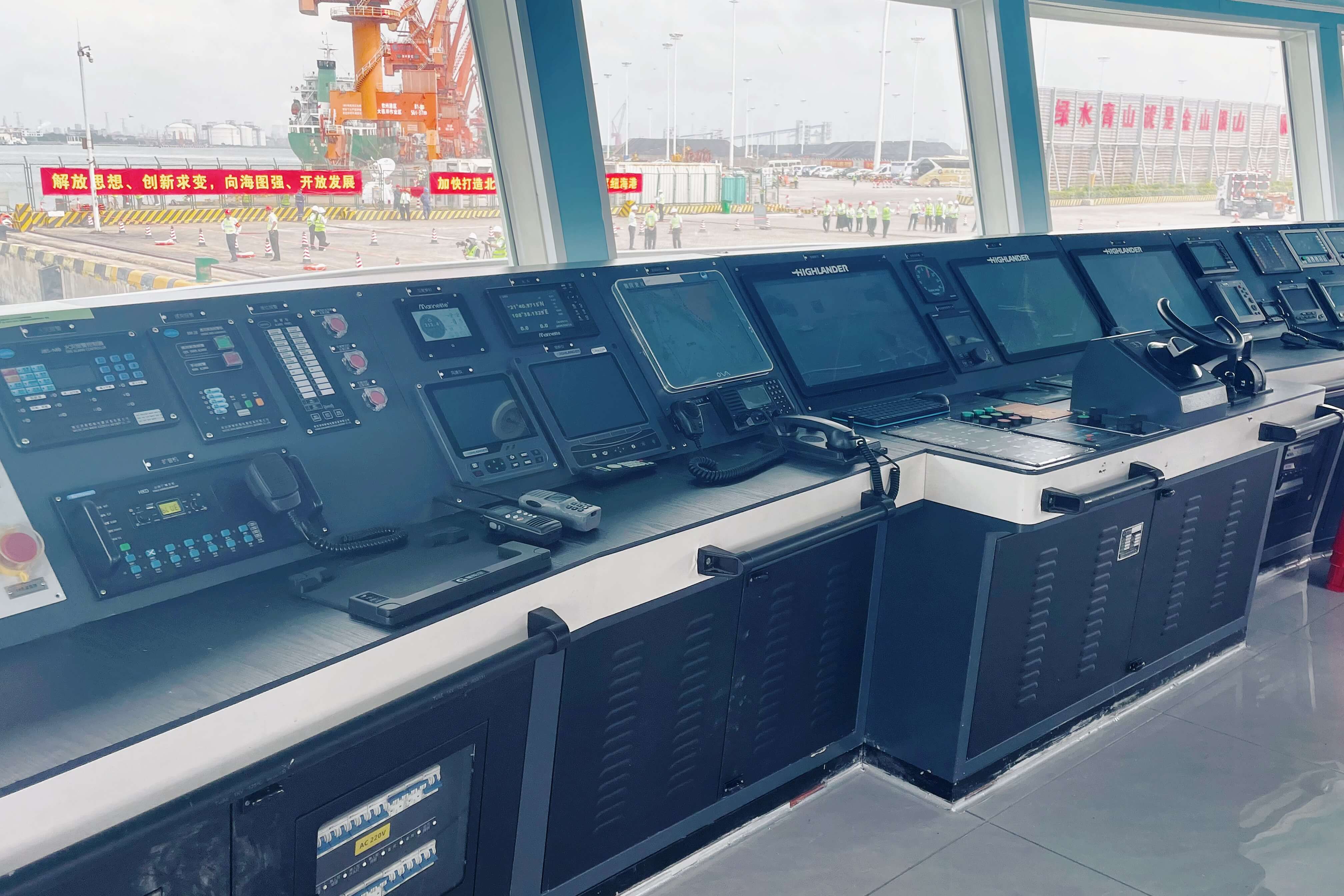
Focusing on the characteristics of these waters, Highlander approached from such technical directions as low-visibility navigation safety, enhanced situational awareness, AI-empowered big data for inland waterway routes, and autonomous route and speed control, providing a complete set of intelligent solutions and equipment for intelligent navigation and green propulsion from the Xijiang main line through the Pinglu Canal to Qinzhou Bay: with the self-developed  NavMind autonomous navigation system as the core, it deeply integrates multiple types of sensors such as navigation radar and electronic charts, and uses AI algorithms to achieve multi-source target fusion, integrating intelligent perception, decision-making and control; it features three steering modes — follow-up, non-follow-up and automatic — as well as functions including autonomous cruising, intelligent collision avoidance, assisted berthing and unberthing, and track-following navigation; built-in intelligent early-warning algorithms can predict waterway obstacle risks in advance and enhance low-visibility navigation capability in extreme weather; combined with intelligent energy efficiency management and inland waterway route data services, it provides vessels with optimal route and speed recommendations.


02 Installation and Commissioning: Building a Multi-Layered Perception and Monitoring Network

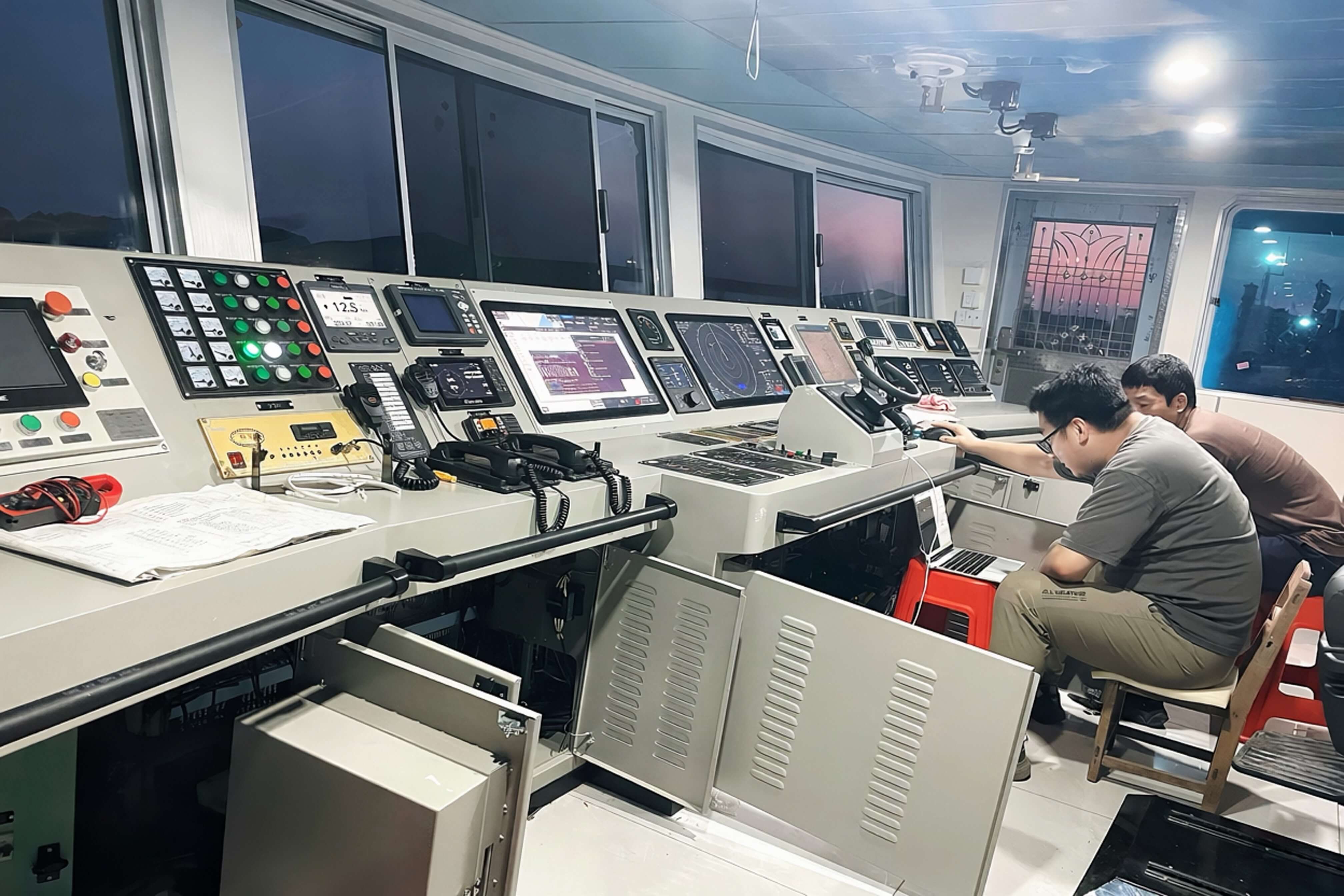
In January 2026, Highlander, together with Guangxi Beigang Big Data Technology Co., Ltd., formed a consortium and won the bid for the project "Procurement and Installation of Intelligent Systems for 5,000-Tonne Demonstration Vessels in the Grade A-Equivalent Navigation Area of the Pinglu Canal". The delivery covers core equipment including the intelligent navigation system, fully solid-state radar, panoramic visual perception and onboard data integration. After installation and integration, a multi-layered perception and monitoring network of "long-range radar + close-range vision + shipside millimeter-wave/laser" is established; with the intelligent integration platform as the data hub, the whole system covers full-chain functions such as navigation situational awareness, intelligent piloting, safety warning, energy efficiency management and engine room equipment health.

To truly put the solution on board, Highlander organized its core R&D forces to advance intelligent functions and technological breakthroughs, and dispatched technical and service personnel to form an on-site team. For nearly five months they lived and worked at the shipyard, covering everything from cable laying and equipment installation and securing to system commissioning and vessel trial tests, and also completed crew training, providing full-process and complete technical services for the two intelligent demonstration vessels.


03 Trial Voyage Verification: All Core Functions Met the Standards

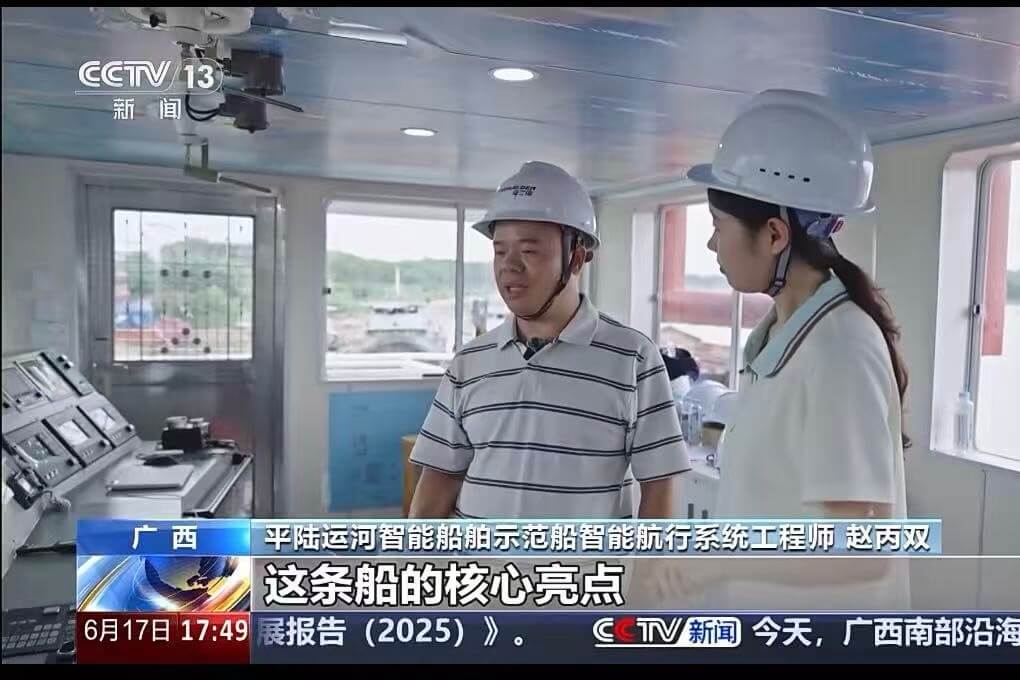
On June 17, 2026, "Beigang Yunhe 002" completed a full-subject trial voyage in the Yujiang section of Guigang, Guangxi. Highlander's self-developed intelligent navigation system, fully solid-state radar, panoramic visual perception and other core equipment participated throughout the trial as the vessel's core functional systems. After six hours of continuous real-vessel verification, all perception, intelligent navigation and early-warning functions met the standards. During the trial, the solid-state radar clearly detected point-like and linear "water hyacinth" floating on the Xijiang River; the panoramic PTZ camera integrates infrared imaging and starlight night vision, solving the problem of nighttime and foggy observation on inland waterways. On August 24, "Beigang Yunhe 001" carried out a follow-up trial voyage of about seven hours, verifying main engine operation, steering, and navigation performance and course stability. The successful trial voyages of the two demonstration vessels were covered by CCTV on site.


04 Technical Support: Continuous Full-Lifecycle Service

Highlander provides full-lifecycle support for the two demonstration vessels: the system collects waterway and vessel dynamics data 24 hours a day without interruption and analyzes the navigation environment in real time; with the cooperation of the shore-based remote control station, the vessels can conditionally implement onboard watchkeeping and remote piloting, forming a continuous service model of "onboard intelligent equipment + shore-based data services". Based on this project, the company has also applied for invention patents such as "Ship Navigation Trajectory Generation Method" and "Ship Navigation Control Method", laying a technical foundation for the intelligent upgrading of subsequent batch vessels on the Pinglu Canal.

Highlander places the "smart genes" in every verifiable function, helping the inland waterways of Guangxi enter a new stage of smart shipping.